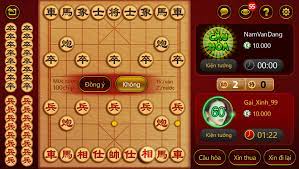
Cờ tướng là một trò chơi dân gian đã tồn tài từ lâu ở VN. Nguồn gốc của cờ tường bắt nguồn từ Trung quốc (tên tiếng trung là 象棋 – Xiangqi, hay còn gọi là cờ Trung Hoa tượng kỳ – 中國象棋 Zhōngquó Xiangqi), Mô phỏng từ cuộc chiến giữa 2 thế lực Hán Và Sở giữa Sở Bá Vương Hạng Vũ và Hán Vương Lưu bang trong cuộc chiến tranh dành thiên hạ với con sông Hồng Câu của nước sở làm Biên Giới. Cũng chính vì thế mà trong bàn cờ tướng ở danh giới giữa phần sân 2 người chơi có in bốn chữ “Sở Hà Hán Giới” nghĩa là sông nước Sở, danh giới nước Hán.
Chỉ với 32 quân cờ nhưng cờ tướng có sự biến ảo khôn lường đòi hỏi người chơi phải có sự tính toán tỷ mỷ trong từng nước đi để có thể hạ gục đối thủ và giành chiến thắng trên kỳ đài. Trước đây chúng ta thường thấy những hình ảnh quen thuộc khi thanh niên trai tráng, ấu nhi, phụ lão tụ tập quanh bàn cờ ở vườn hoa công viên, quán nước, sân đình với những trận tỷ thí “cờ ngoài bài trong” căng thẳng và hấp dẫn.
Tuy nhiên cuộc sống hiện đại với nhịp sống hối hả khiến những hình ảnh đó dần dần mai một đi. Mặc dù vậy nhu cầu chơi cờ, đấu trí cờ tướng cũng như niềm đam mê môn thể thao trí tuệ dân gian truyền thống này vẫn còn trong rất nhiều người chơi. Chính vì thế game Cờ Thủ Version 1 đã được cho ra đời vào năm 2012 chứa đựng những kỳ vọng và niềm đam mê của cả một cộng đồng cờ thủ Việt Nam. Cờ Thủ – game chơi cờ tướng online chính là sân chơi cờ tướng trực tuyến đầy hấp dẫn giúp người chơi thỏa mãn đam mê một cách nhanh nhất đơn giản nhất và hoàn toàn miễn phí trên nền tảng trực tuyến.
Luật chơi cờ tướng cơ bản
Nếu bạn chưa từng chơi cờ tướng online bạn cần biết một số luật chơi cơ bản bao gồm, bàn cờ và bố trí quân, ăn quân, luật chiếu, luật di chuyển và luật cản… hãy cùng tìm hiểu ngay nhé:
Bàn cờ và bố trí quân
Bàn cờ tướng là một bàn chơi hình chữ nhật với 8 hàng dọc và 9 hàng ngang (9 đường kẻ dọc và 10 đường kẻ ngang). Hai bên sẽ ngăn cách nhau bởi một hàng ngang ở giữa gọi là sông – hà ở giữa ghi 4 chữ Sở Hà- Hán Giới. Trong cờ tướng có tổng cộng 7 loại quân mỗi quân sẽ có vai trò và cách di chuyển trên bàn cờ cũng như cách ăn quân khác nhau mà chúng ta sẽ nhắc tới ở phần sau:
7 Loại quân trong cờ tướng bao gồm:
Tướng
Sĩ
Tượng
Xe
Pháo
Mã
Tốt
Mỗi bên sẽ có tất cả 16 quân cờ, số lượng từng loại quân cờ như sau
Tướng: 1 quân
Sĩ: 2 quân
Tượng: 2 quân
Mã: 2 quân
Xe: 2 quân
Pháo: 2 quân
Tốt: 5 quân
Các quân cờ sẽ đặt trên giao điểm của các đường kẻ theo sơ đồ trong hình như sau
Hàng đầu tiên lần lượt từ trái sang là xe, mã, tượng, sĩ, tượng, mã xe
Hàng 3 là 2 quân pháo
Hàng cuối cùng là 5 quân tốt
Luật di chuyển, luật cản và ăn quân khi đánh cờ tướng
Mục tiêu của mỗi ván cờ là triệt hạ tướng đối phương và giành chiến thắng. Để làm được điều đó bạn sẽ phải nắm bắt được nhưng luật chơi cờ tướng cơ bản như sau (luật chơi online và thực tế là hoàn toàn giống nhau và tuân theo luật quốc tế)
Ăn quân: trong mỗi nước đi, nếu vị trí đích đến của một quân cờ của bạn là quân cờ đối phương thì khi quân cờ của bạn di chuyển tới đó quân của đối phương sẽ bị loại ra khỏi bàn cờ hay còn gọi là ăn quân.
Tướng: mỗi bên của bàn cờ tướng như một quốc gia thu nhỏ với đầy đủ các thành phần. Chính vì thế không thể thiếu cung cấm, là nơi mà từ đó tướng chỉ huy toàn bộ quân sĩ dưới trướng. Cung cấm trong cờ tướng được đánh dấu bằng 2 dấu X trong 4 ô với 9 điểm cắt tất cả tượng trung cho cửu cung ở mỗi bên bàn cờ. Đây cũng là phạm vi di chuyển của tướng. Quân tướng chỉ được phép di chuyển ngang và dọc mỗi lần một ô và không được phép ra khỏi cung. Xem hình dưới để hiểu rõ hơn
Sĩ: sĩ trong tương tự như tướng chỉ được phép di chuyển trong phạm vị cung cấm và chỉ được đi chéo
Tượng: đi chéo 2 ô trong mỗi lần di chuyển tuy nhiên tượng chỉ được phép di chuyển ở phía sân của mình và không được phép vượt sông sang phần sân đối phương. Bạn có thể xem ví dụ ở hình dưới. Nếu có một quân cờ không kể của mình hay của đối thủ nằm ở giữa đường chéo thì tượng sẽ bị cản và không thể di chuyển. Xem hình minh họa dưới đây để hiểu rõ hơn
Mã: được di chuyển ngang hoặc dọc theo hình chữ L ngang 2 ô và dọc 1 ô (hoặc ngang 1 ô dọc 2 ô) như hình minh họa dưới đây. Mã sẽ bị cản và không được di chuyển khi có quân nằm ngay cạnh ở đường 2 ô.
Xe: Xe được di dọc và đi ngang và không giới hạn số ô trong mỗi lần di chuyển.
Pháo: Tương tự như xe được di chuyển ngang dọc và không giới hạn số ô. Tuy nhiên để ăn quân thì phải có một quân ở giữa làm ngòi cho pháo (không kể quân ta hay quân đối thủ). Giữa quân pháo và quân bị ăn chỉ được phép có thêm một quân ở giữa làm ngòi.
Tốt (binh): khi ở phía bàn cờ bên mình tốt chỉ được phép đi thẳng từng ô một. Khi qua sông rồi tốt có thể đi ngang hoặc tiến mỗi lần 1 ô (tương tự như xe nhưng không được đi lùi vì thế mới có câu nói nhất tốt độ hà bán xa chi lực – tốt đã sang sông mạnh bằng nửa quân xe).
Luật chống tướng (hai tướng nhìn mặt nhau): Hai quân tướng của hai bên không được phép nằm trên cùng một đường dọc mà không có bất kể quân nào nằm ở giữa (không kể quân ta hay quân đối thủ). Nước đi đưa tướng vào vị trí chống tướng là nước đi không hợp lệ và sẽ bị bắt lỗi kỹ thuật
Chiếu tướng: là tình huông mà sau khi bạn đi nước đi đó, tướng của đối phương sẽ bị đi dọa ăn mất trong lượt đi tiếp theo của bạn.
An toàn của tướng: bạn không được phép đi một nước đi mà sau khi đi nước đi đó quân tướng của bạn rơi vào thế bị chiếu và có thể bị ăn ở nước tiếp theo của đối thủ. Nếu đi một nước đi như vậy bạn sẽ bị bắt lỗi kỹ thuật.
Ván cờ sẽ kết thúc khi:
Chiếu bí: Khi một bên bị chiếu mà không có cách nào đưa tướng ra khỏi thế bị chiếu
Hết nước: nếu như một bên không còn nước nào có thể đi (không có quân cờ nào có thể di chuyển) sẽ bị xử thua
Mắc lỗi kĩ thuật 3 lần